Blog

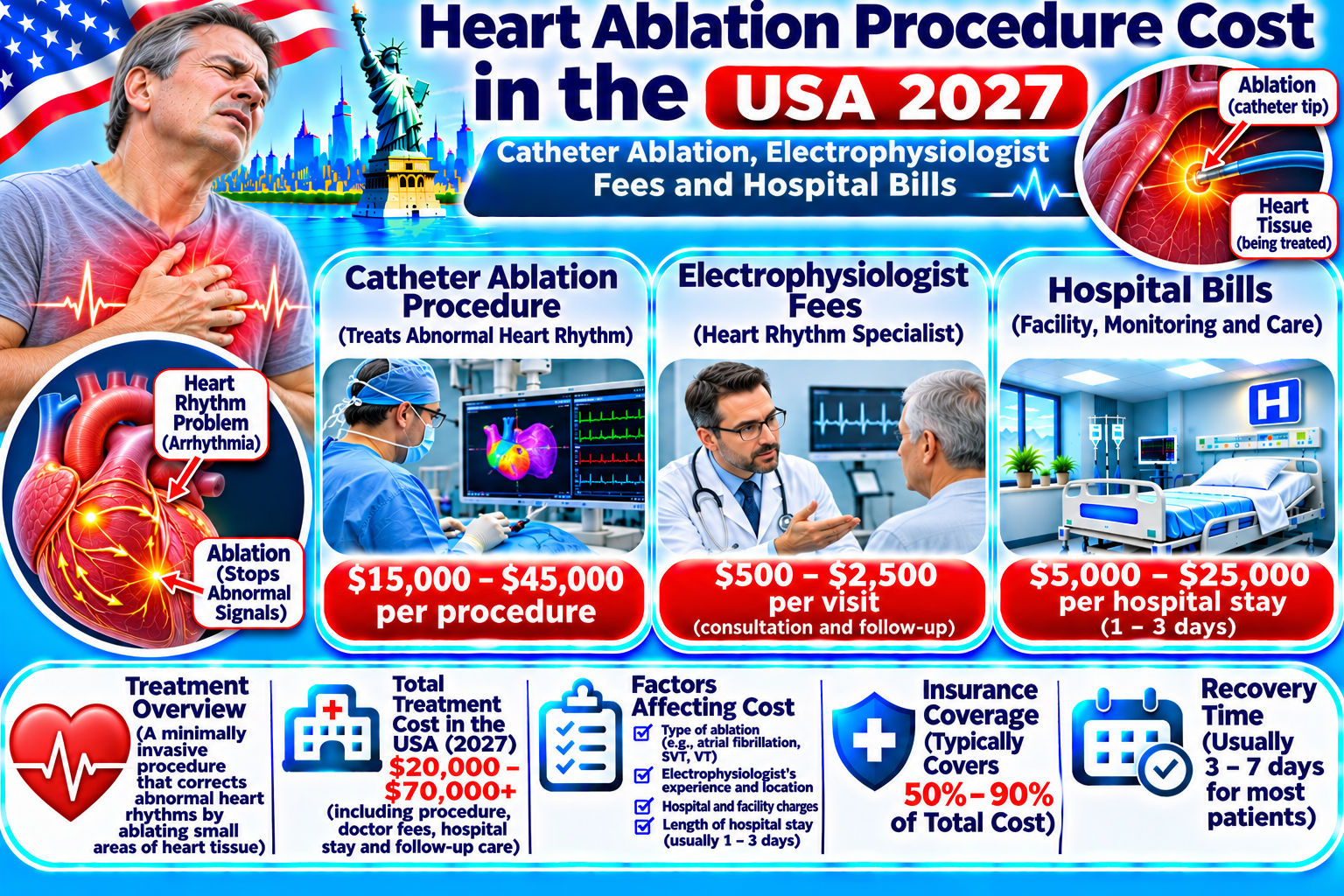
  • Heart Ablation Procedure Cost in the USA 2027 Catheter Ablation, Electrophysiologist Fees and Hospital Bills

    Heart Ablation Procedure Cost in the USA 2027 Catheter Ablation, Electrophysiologist Fees and Hospital Bills

    Heart ablation is a specialized cardiac procedure used to treat certain abnormal heart rhythms, also known as arrhythmias. It involves targeting small areas of heart tissue responsible for abnormal electrical signals. For appropriately selected patients, catheter ablation can reduce symptoms, improve heart rhythm control, and sometimes reduce the need for long-term antiarrhythmic medication.

    Understanding heart ablation procedure costs in the USA in 2027 is important for patients comparing catheter ablation, electrophysiologist fees, hospital bills, anesthesia charges, and health insurance coverage. The total expense depends on the type of arrhythmia, ablation technology, treatment setting, insurance benefits, and individual medical circumstances.

    Some procedures are relatively straightforward, while others require advanced three-dimensional mapping, specialized catheters, and extensive cardiac monitoring. Atrial fibrillation ablation, for example, is generally more complex than treatment of certain forms of supraventricular tachycardia.

    This comprehensive guide explains estimated American heart ablation costs for 2027, including radiofrequency ablation, cryoablation, pulsed field ablation, specialist consultations, Medicare coverage, recovery, and potential repeat procedures.

    What Is Heart Ablation?

    Heart ablation is a treatment designed to interrupt abnormal electrical pathways or signals that cause certain heart rhythm disorders.

    The most common approach is catheter ablation. During the procedure, an electrophysiologist guides thin, flexible catheters through blood vessels into the heart.

    Specialized equipment identifies the electrical activity responsible for the arrhythmia. Energy is then delivered to targeted tissue to interrupt the abnormal signals.

    Catheter ablation does not require the same type of large chest incision used in conventional open-heart surgery.

    However, it remains an invasive cardiac procedure with potential complications and requires careful patient selection.

    Common Heart Conditions Treated With Ablation

    Atrial Fibrillation

    Atrial fibrillation, commonly called AFib, is an irregular heart rhythm originating in the upper chambers of the heart.

    Catheter ablation frequently involves pulmonary vein isolation to reduce abnormal electrical signals that trigger atrial fibrillation.

    Not every patient with AFib needs ablation. Treatment decisions depend on symptoms, heart function, medical history, and individual preferences.

    Supraventricular Tachycardia

    Supraventricular tachycardia, or SVT, describes several rapid heart rhythms that originate above the ventricles.

    Catheter ablation can be highly effective for certain SVT mechanisms, including atrioventricular nodal reentrant tachycardia and accessory pathway-related tachycardia.

    Atrial Flutter

    Atrial flutter is an organized but abnormally rapid rhythm arising in the atria.

    Typical atrial flutter can often be treated by creating a line of electrical block in a specific region of the right atrium.

    Ventricular Tachycardia

    Ventricular tachycardia originates in the lower chambers of the heart and may be associated with structural heart disease.

    Some patients require complex ablation procedures involving advanced mapping, longer operating times, and additional monitoring.

    Premature Ventricular Contractions

    Frequent premature ventricular contractions may cause symptoms or contribute to reduced heart function in selected patients.

    Catheter ablation may be considered when symptoms are significant or when frequent abnormal beats affect cardiac performance.

    Symptoms of Heart Rhythm Disorders

    Arrhythmias can cause a range of symptoms depending on the type, frequency, and underlying heart condition.

    • Rapid or irregular heartbeat.
    • Palpitations or fluttering sensations.
    • Dizziness or lightheadedness.
    • Unusual fatigue.
    • Shortness of breath.
    • Reduced exercise tolerance.
    • Chest discomfort.
    • Fainting in certain rhythm disorders.

    Some arrhythmias cause few noticeable symptoms. Others require urgent medical evaluation.

    Chest pain, severe breathing difficulty, or fainting accompanied by persistent symptoms requires immediate medical attention.

    How Are Arrhythmias Diagnosed?

    Before recommending ablation, a cardiologist evaluates the patient’s symptoms, medical history, and cardiac electrical activity.

    Common diagnostic tests include:

    • Electrocardiogram to record heart rhythm.
    • Holter monitoring or extended rhythm monitoring.
    • Echocardiogram to assess heart structure and function.
    • Blood tests when appropriate.
    • Exercise stress testing for selected patients.
    • Cardiac CT or MRI in specific circumstances.
    • Electrophysiology study to identify abnormal electrical pathways.

    Not every patient requires every test. The diagnostic approach depends on the suspected arrhythmia and overall cardiac condition.

    Types of Heart Ablation Procedures

    Radiofrequency Catheter Ablation

    Radiofrequency ablation uses controlled heat energy to create small areas of tissue injury that interrupt abnormal electrical conduction.

    It is used for several arrhythmias, including selected SVTs, atrial flutter, atrial fibrillation, and ventricular tachycardia.

    Cryoablation

    Cryoablation uses freezing temperatures to target abnormal electrical pathways.

    Cryoballoon technology may be used for pulmonary vein isolation in selected patients with atrial fibrillation.

    Procedure costs depend on the equipment, disposable catheters, and treatment setting.

    Pulsed Field Ablation

    Pulsed field ablation uses high-voltage electrical pulses to create targeted cell injury through a process called electroporation.

    This newer technology is used for selected atrial fibrillation procedures and may offer certain safety advantages for nearby tissues.

    Availability, equipment expenses, and insurance arrangements vary among healthcare facilities.

    AV Node Ablation

    AV node ablation interrupts electrical conduction between the atria and ventricles to control ventricular rate in selected patients.

    It usually requires a permanent pacemaker because the heart can no longer rely on normal conduction through the AV node.

    This treatment does not eliminate atrial fibrillation itself.

    Surgical Ablation

    Some patients undergo surgical ablation, including selected Maze-type procedures, particularly when another cardiac operation is being performed.

    Surgical ablation involves different hospital resources and generally should not be compared directly with standard catheter ablation pricing.

    How Is Catheter Ablation Performed?

    Catheter ablation is usually performed in a specialized electrophysiology laboratory.

    The patient receives sedation or general anesthesia depending on the arrhythmia, technique, and medical requirements.

    The electrophysiologist inserts catheters through blood vessels, commonly in the groin, and guides them toward the heart.

    Electrical mapping identifies the abnormal signals. The physician then delivers the selected ablation energy to targeted tissue.

    After treatment, the team checks rhythm responses and monitors the patient for complications.

    Some patients return home the same day, while others require overnight observation or longer hospitalization.

    Heart Ablation Procedure Cost in the USA in 2027

    American catheter ablation prices vary considerably according to the type of arrhythmia, hospital resources, ablation technology, insurance contract, and procedure complexity.

    Published US research has demonstrated substantial price differences across hospitals and insurance arrangements.

    The following figures are illustrative 2027 budgeting ranges, not verified national averages, guaranteed quotations, or the amount every insured patient will pay.

    Estimated USA Cost Breakdown

    Treatment or ServiceEstimated Cost (USD)
    Cardiologist Consultation$150–$500+
    Electrophysiologist Consultation$200–$700+
    Electrocardiogram$50–$300+
    Holter or Extended Rhythm Monitoring$150–$1,500+
    Echocardiogram$300–$2,000+
    SVT Catheter Ablation Episode$15,000–$40,000+
    Typical Atrial Flutter Ablation$12,000–$35,000+
    Atrial Fibrillation Ablation$25,000–$65,000+
    Pulsed Field Ablation Episode$30,000–$70,000+
    Complex Ventricular Tachycardia Ablation$30,000–$90,000+
    Electrophysiologist Procedure Fee$1,000–$5,000+ if separately billed
    Anesthesia Professional Fee$500–$3,000+ if separately billed
    Postoperative Follow-Up Appointment$100–$400+

    Important: These broad estimates are intended for preliminary financial planning. Procedure episode prices may already include physician, facility, mapping equipment, anesthesia, and monitoring expenses. Do not add individual charges to a bundled price without checking for overlap.

    USA Heart Ablation Cost Comparison

    Because this article focuses on the United States, the following table compares American ablation treatment scenarios rather than different countries.

    USA Treatment ScenarioIllustrative Overall Budget
    Typical Atrial Flutter Ablation$12,000–$35,000+
    SVT Catheter Ablation$15,000–$40,000+
    Atrial Fibrillation Ablation$25,000–$65,000+
    Pulsed Field AFib Ablation$30,000–$70,000+
    Complex Ventricular Ablation$30,000–$90,000+
    Repeat or Complicated Ablation Episode$35,000–$100,000+

    These procedures treat different rhythm disorders and should not be considered interchangeable alternatives based on cost alone.

    Electrophysiologist Fees for Heart Ablation

    A cardiac electrophysiologist is a cardiologist with specialized training in diagnosing and treating heart rhythm disorders.

    Professional fees depend on the complexity of the arrhythmia, procedure duration, required mapping techniques, and insurance contracts.

    Patients may receive separate charges for the initial consultation, electrophysiology study, ablation procedure, and postoperative appointments.

    When comparing quotations, patients should confirm whether the electrophysiologist’s professional fee is included in the hospital estimate.

    Hospital Bills and Electrophysiology Laboratory Charges

    Hospital facility expenses often represent a substantial portion of the total heart ablation bill.

    Common charges may include:

    • Electrophysiology laboratory services.
    • Specialized mapping and imaging equipment.
    • Ablation catheters and disposable supplies.
    • Nursing and technical staff.
    • Anesthesia and sedation services.
    • Recovery room monitoring.
    • Medications and laboratory testing.
    • Overnight hospitalization when required.

    A 2026 Massachusetts healthcare spending analysis reported that the average commercially insured cardiac ablation procedure price exceeded $50,000 in 2024.

    The same analysis found substantial price differences between hospitals, illustrating why patients should compare complete estimates rather than relying on a single advertised price.

    Radiofrequency vs Cryoablation Costs

    Radiofrequency and cryoablation use different energy sources to treat abnormal cardiac electrical pathways.

    Radiofrequency procedures use heat energy, while cryoablation uses freezing technology.

    Both approaches require specialized equipment, catheters, trained personnel, and appropriate cardiac monitoring.

    Costs vary according to the treatment strategy and hospital contracts. Neither technique is automatically less expensive in every healthcare setting.

    Clinical suitability, safety, and expected effectiveness should guide treatment selection.

    Pulsed Field Ablation and New Technology Expenses

    Pulsed field ablation is an increasingly used technology for selected atrial fibrillation procedures.

    It uses electrical pulses to target cardiac tissue and may reduce certain risks associated with thermal energy near sensitive structures.

    However, pulsed field systems involve specialized equipment and disposable components.

    The total financial impact depends on equipment pricing, procedure duration, hospital contracts, and insurance reimbursement.

    Patients should ask whether their insurance covers the proposed technology and whether additional authorization is necessary.

    Medicare Reimbursement and Heart Ablation Costs

    Medicare reimbursement differs from commercial hospital billing and should not be interpreted as the amount every patient pays.

    For 2026, published Medicare hospital outpatient payment information listed approximately $26,704 for selected complex catheter ablation procedures, including atrial fibrillation pulmonary vein isolation.

    Separate ambulatory surgery center payment information listed approximately $20,256 for the corresponding atrial fibrillation ablation category.

    These figures are payment benchmarks for particular settings and procedure classifications, not complete universal patient bills.

    Fiscal year 2027 inpatient Medicare payment examples for certain percutaneous intracardiac procedures range from approximately $24,620 without major complications or comorbidities to $31,761 with major complications or comorbidities.

    Actual Medicare reimbursement depends on the procedure, care setting, hospital adjustments, and applicable payment rules.

    Heart Ablation With Health Insurance

    Many comprehensive American health insurance plans cover medically necessary catheter ablation when applicable clinical requirements are satisfied.

    Coverage depends on the diagnosis, documented symptoms, treatment history, and individual insurance policy.

    Important considerations include:

    • Annual deductible and out-of-pocket maximum.
    • Electrophysiologist and hospital network participation.
    • Prior authorization for planned procedures.
    • Coverage for radiofrequency or cryoablation.
    • Coverage for pulsed field ablation.
    • Anesthesia and facility benefits.
    • Diagnostic testing and follow-up coverage.
    • Coverage for repeat ablation when necessary.

    Insurance approval does not necessarily eliminate patient expenses. Copayments, coinsurance, and deductibles may still apply.

    Medicare Coverage for Catheter Ablation

    Original Medicare generally covers medically necessary cardiac ablation services when applicable requirements are met.

    Medicare Part A commonly applies to qualifying inpatient hospital admissions. Medicare Part B generally covers eligible outpatient procedures and physician services.

    For covered Part B services, patients typically pay applicable deductibles and coinsurance unless supplemental coverage changes their responsibility.

    Medicare Advantage plans may have different provider networks, authorization rules, and cost-sharing arrangements.

    Medicaid and Financial Assistance

    Medicaid may cover medically necessary heart ablation for eligible individuals, depending on state-specific requirements.

    Some nonprofit hospitals provide financial assistance programs for qualifying patients.

    Hospital financial counselors can explain payment arrangements, insurance eligibility questions, and available assistance.

    Heart Ablation Without Insurance

    Uninsured patients may face substantial expenses for specialist consultations, diagnostic examinations, the ablation procedure, and hospital monitoring.

    Before accepting a planned treatment quotation, patients should ask:

    • Does the estimate include the electrophysiologist’s fee?
    • Are mapping equipment and ablation catheters included?
    • Will anesthesia be billed separately?
    • Does the price include recovery room monitoring?
    • Are overnight hospital charges included?
    • What follow-up expenses should be expected?
    • Does the hospital offer financial assistance?

    Patients with urgent cardiac symptoms should not delay necessary medical treatment while comparing prices.

    Factors Influencing Heart Ablation Prices

    1. Type of Arrhythmia

    Different rhythm disorders require different mapping strategies, ablation techniques, and procedure durations.

    2. Ablation Technology

    Radiofrequency, cryoablation, and pulsed field systems involve different equipment and disposable supply costs.

    3. Hospital and Facility Charges

    Electrophysiology laboratory resources, staffing, anesthesia, and recovery monitoring influence the total bill.

    4. Electrophysiologist Experience

    Complex procedures may require additional expertise, advanced equipment, and longer treatment times.

    5. Insurance Coverage

    Deductibles, coinsurance, negotiated rates, and provider networks affect personal financial responsibility.

    6. Geographic Location

    Healthcare prices vary across American cities and states because of regional operating costs and insurance contracts.

    7. Complications or Repeat Procedures

    Additional treatment, prolonged hospitalization, or repeat ablation may increase long-term medical expenses.

    Recovery After Catheter Ablation

    Recovery depends on the arrhythmia treated, ablation technique, anesthesia, and overall health.

    Many patients undergoing uncomplicated catheter ablation return home after a short monitoring period.

    Temporary soreness or bruising near the catheter insertion site is common.

    Patients should follow individualized instructions regarding physical activity, wound care, driving, and return to work.

    Some patients experience temporary palpitations during recovery, particularly after atrial fibrillation ablation.

    Possible Complications and Additional Costs

    Catheter ablation carries potential risks, including bleeding, blood vessel injury, infection, heart perforation, stroke, and injury to the heart’s electrical conduction system.

    Some complications are uncommon but serious and may require emergency treatment or additional procedures.

    Patients should discuss procedure-specific risks and expected benefits with their electrophysiologist.

    Long-Term Follow-Up and Medication Expenses

    After ablation, patients may need follow-up appointments, electrocardiograms, rhythm monitoring, and medication adjustments.

    Some individuals continue antiarrhythmic medications temporarily or long term.

    Importantly, successful atrial fibrillation ablation does not automatically eliminate the need for anticoagulant medication. Stroke prevention decisions depend on the patient’s individual risk factors.

    These ongoing services should be considered when estimating total treatment costs.

    How to Reduce Heart Ablation Expenses

    • Verify insurance coverage before planned treatment.
    • Request a complete written hospital estimate.
    • Confirm electrophysiologist and facility network participation.
    • Ask whether anesthesia and mapping equipment are included.
    • Review Medicare or Medicaid eligibility where applicable.
    • Explore hospital financial assistance programs.
    • Confirm postoperative monitoring coverage.
    • Discuss medically appropriate treatment options with the cardiologist.

    The lowest advertised price is not necessarily the safest or most effective treatment option. Clinical suitability and specialist expertise remain essential.

    Frequently Asked Questions

    How much does heart ablation cost in the USA in 2027?

    Illustrative costs may range from approximately $12,000 to $40,000 for selected simpler ablation procedures and $25,000 to $65,000 or more for atrial fibrillation ablation. Complex cases may cost substantially more.

    Does insurance cover catheter ablation?

    Many comprehensive health plans cover medically necessary catheter ablation, subject to policy requirements and patient cost-sharing.

    Does Medicare cover heart ablation?

    Medicare generally covers qualifying medically necessary ablation procedures under applicable inpatient or outpatient benefits.

    Is pulsed field ablation more expensive?

    Pulsed field ablation may involve higher specialized equipment expenses, but actual treatment prices depend on the hospital and insurance contract.

    Can an arrhythmia return after ablation?

    Yes. Some patients experience recurrent arrhythmias and may require medication adjustments or repeat treatment.

    Is catheter ablation open-heart surgery?

    No. Catheter ablation is generally performed through blood vessels without the large chest incision used in conventional open-heart surgery.

    How long does recovery take?

    Recovery varies by procedure. Many patients resume light routine activities within several days, while full recovery and rhythm stabilization may take longer.

    Conclusion

    Heart ablation procedure costs in the USA in 2027 depend on catheter ablation technology, electrophysiologist fees, hospital charges, anesthesia, treatment complexity, and insurance coverage.

    Patients should compare complete treatment estimates, verify insurance benefits, and consult an experienced cardiac electrophysiologist to determine the most appropriate treatment plan.

    Accurate diagnosis, appropriate procedure selection, and consistent follow-up care are important for managing heart rhythm disorders and long-term healthcare expenses.

    Medical Disclaimer: This article provides general educational and financial planning information only. It does not replace professional medical advice, diagnosis, or treatment. All 2027 cost ranges are illustrative estimates and should be verified directly with healthcare providers, hospitals, and insurance companies.
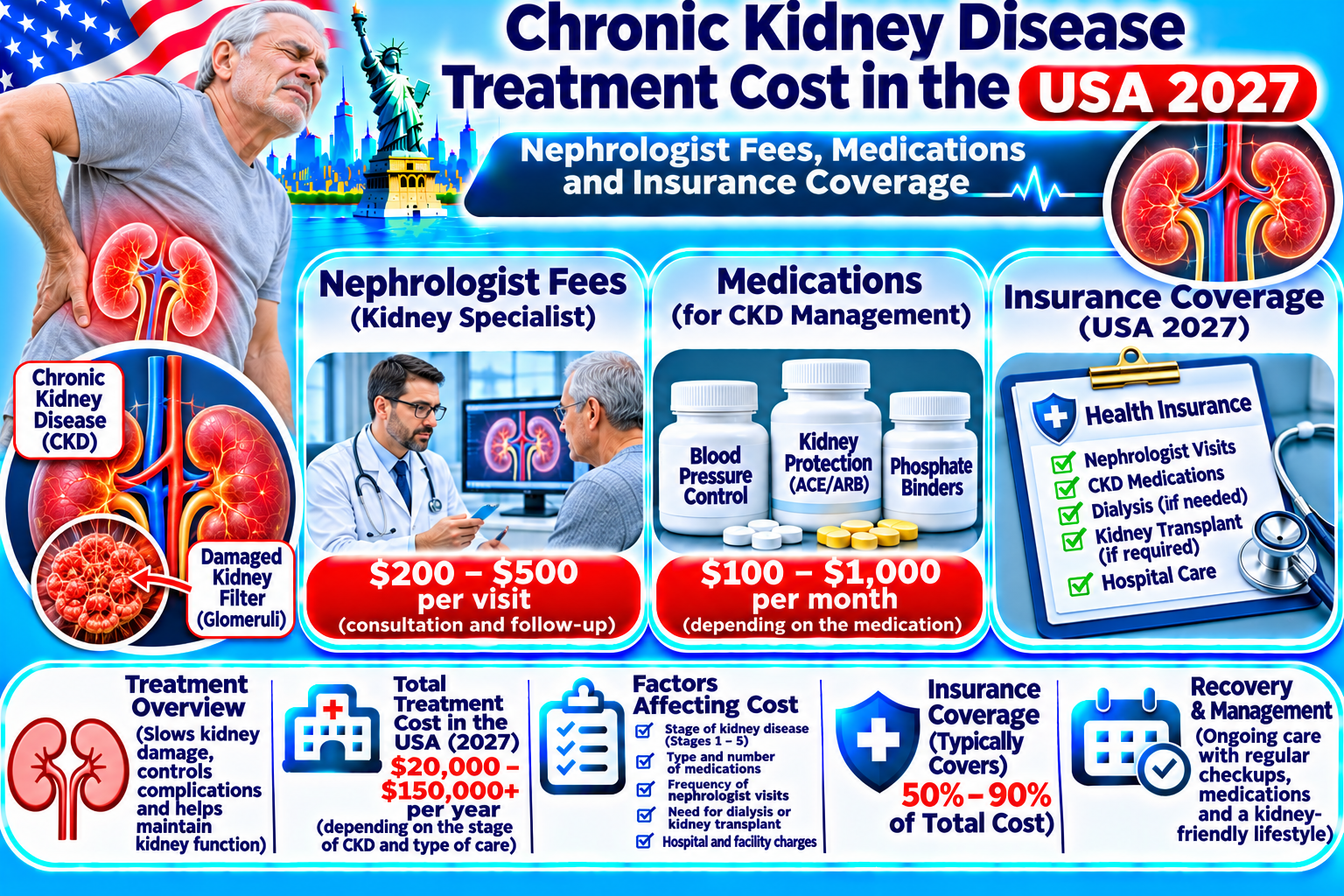
  • Chronic Kidney Disease Treatment Cost in the USA 2027 Nephrologist Fees, Medications and Insurance Coverage

    Chronic Kidney Disease Treatment Cost in the USA 2027 Nephrologist Fees, Medications and Insurance Coverage

    Chronic kidney disease (CKD) is a long-term medical condition in which the kidneys gradually lose their ability to filter waste products and excess fluid from the blood. Without appropriate monitoring and treatment, kidney damage may progress and increase the risk of heart disease, anemia, fluid retention, and kidney failure.

    Understanding chronic kidney disease treatment costs in the USA in 2027 is important for patients comparing nephrologist consultation fees, prescription medications, laboratory testing, hospital expenses, and health insurance coverage. Medical costs depend on kidney disease stage, underlying health conditions, treatment requirements, insurance benefits, and geographic location.

    Many patients with early-stage CKD can manage their condition through blood pressure control, diabetes treatment, appropriate medications, and regular monitoring. Advanced kidney disease may require specialized care, dialysis preparation, or kidney transplantation.

    This guide explains estimated American CKD treatment expenses for 2027, including diagnostic tests, nephrologist visits, medications, Medicare coverage, and strategies for managing long-term healthcare costs.

    What Is Chronic Kidney Disease?

    Chronic kidney disease occurs when abnormalities in kidney structure or function persist for at least three months and have implications for health.

    Doctors commonly assess kidney function using estimated glomerular filtration rate (eGFR) and urine albumin measurements.

    CKD is classified according to kidney function, albuminuria, and underlying cause. These factors help estimate progression risk and determine treatment intensity.

    Not everyone with CKD develops kidney failure. Appropriate treatment can slow progression and reduce cardiovascular complications.

    Stages of Chronic Kidney Disease

    CKD StageKidney Function
    G1eGFR 90 or higher with evidence of kidney damage
    G2eGFR 60–89 with evidence of kidney damage
    G3aeGFR 45–59
    G3beGFR 30–44
    G4eGFR 15–29
    G5eGFR below 15

    Stages G1 and G2 require additional evidence of kidney damage for a CKD diagnosis. A single abnormal laboratory result does not necessarily establish chronic disease.

    Common Symptoms of Chronic Kidney Disease

    Early CKD frequently causes no noticeable symptoms. As kidney function declines, patients may experience:

    • Persistent fatigue or weakness.
    • Swelling in the legs, ankles, or feet.
    • Changes in urination.
    • Reduced appetite or nausea.
    • Difficulty concentrating.
    • Muscle cramps.
    • Shortness of breath from fluid accumulation.
    • Persistent itching in advanced disease.

    These symptoms can have several causes. Laboratory testing is necessary to assess kidney function accurately.

    Causes and Risk Factors

    Diabetes and high blood pressure are major causes of chronic kidney disease in the United States.

    Other risk factors include:

    • Cardiovascular disease.
    • Family history of kidney disease.
    • Polycystic kidney disease.
    • Autoimmune kidney disorders.
    • Repeated kidney infections or obstruction.
    • Older age.
    • Exposure to certain kidney-damaging medications.

    Patients with risk factors may benefit from regular kidney function and urine albumin testing.

    How Is Chronic Kidney Disease Diagnosed?

    Diagnosis usually involves blood tests, urine examinations, and evaluation of medical history.

    Common diagnostic services include:

    • Serum creatinine and estimated GFR testing.
    • Urine albumin-to-creatinine ratio.
    • Urinalysis.
    • Electrolyte and metabolic blood panels.
    • Kidney ultrasound when indicated.
    • Blood pressure assessment.
    • Additional tests or kidney biopsy in selected cases.

    Repeated testing helps determine whether kidney abnormalities are persistent and whether kidney function is changing over time.

    Chronic Kidney Disease Treatment Options

    Blood Pressure Management

    Controlling blood pressure is an important part of CKD treatment. ACE inhibitors or angiotensin receptor blockers may be recommended for certain patients, particularly when albuminuria is present.

    These medications require appropriate monitoring of kidney function and potassium levels.

    Diabetes Management

    Patients with diabetes-related CKD may benefit from individualized blood glucose management and kidney-protective medications.

    SGLT2 inhibitors can reduce the risk of kidney disease progression and cardiovascular complications in eligible patients.

    Additional Kidney-Protective Medications

    Selected patients may receive medications such as finerenone or GLP-1 receptor agonists according to their medical condition and current treatment recommendations.

    Medication selection depends on kidney function, potassium levels, diabetes status, and other clinical factors.

    Treatment of CKD Complications

    Advanced CKD may require treatment for anemia, mineral and bone disorders, fluid overload, electrolyte abnormalities, and metabolic acidosis.

    These complications can increase medication expenses and the frequency of specialist visits.

    Nutrition and Lifestyle Management

    Dietary recommendations may involve sodium reduction, individualized protein intake, and adjustments to potassium or phosphorus intake when necessary.

    A renal dietitian can help patients develop a safe eating plan based on laboratory results and kidney function.

    Chronic Kidney Disease Treatment Cost in the USA in 2027

    American CKD treatment expenses depend on disease stage, specialist appointments, laboratory monitoring, medication selection, and hospital care.

    Patients with advanced kidney disease generally require more medical services than those with stable early-stage CKD.

    The following figures are illustrative 2027 budgeting estimates rather than verified national averages or guaranteed healthcare quotations.

    Estimated USA Cost Breakdown

    Treatment or ServiceEstimated Cost (USD)
    Initial Nephrologist Consultation$200–$600+
    Follow-Up Nephrology Appointment$100–$350+
    Kidney Function Blood Tests$50–$250+
    Urine Albumin Testing$30–$150+
    Kidney Ultrasound$200–$800+
    Generic Blood Pressure Medication$5–$50+ per month
    SGLT2 Inhibitor Medication$100–$700+ per month
    Specialized CKD Medication$100–$1,000+ per month
    Renal Dietitian Consultation$100–$300+
    Kidney Biopsy When Necessary$3,000–$10,000+
    Hospitalization for CKD Complications$10,000–$40,000+

    Important: These hypothetical prices are preliminary estimates. Actual charges, insurer-negotiated rates, pharmacy prices, and patient out-of-pocket expenses may differ substantially.

    USA CKD Treatment Cost Comparison by Stage

    Because this guide focuses on the United States, the following table compares illustrative American treatment scenarios rather than different countries.

    USA CKD Treatment ScenarioIllustrative Annual Direct Care Budget
    Stable Early CKD With Routine Monitoring$500–$3,000+
    Moderate CKD With Regular Specialist Care$2,000–$8,000+
    Advanced CKD With Multiple Medications$5,000–$20,000+
    Advanced CKD With Hospital Complications$15,000–$60,000+

    These figures illustrate selected kidney-related services and are not comprehensive all-condition healthcare spending averages. Dialysis and transplantation are excluded from these annual scenarios.

    Nephrologist Consultation and Follow-Up Fees

    A nephrologist is a physician specializing in kidney diseases. Patients may need periodic appointments to review kidney function, blood pressure, urine protein levels, and medication effectiveness.

    Appointment frequency depends on disease severity and the risk of progression. Patients with stable early CKD may require fewer specialist visits than those with rapidly declining kidney function.

    Additional expenses may include laboratory testing, imaging, prescription adjustments, and treatment of associated medical conditions.

    Chronic Kidney Disease Medication Costs

    Medication expenses vary considerably. Generic blood pressure medicines may be relatively inexpensive, while newer kidney-protective drugs can have higher prices before insurance adjustments.

    Some patients require several medications to manage diabetes, high blood pressure, cholesterol, anemia, and other CKD complications.

    Drug selection should reflect medical evidence, kidney function, safety considerations, and the patient’s individual needs.

    Patients should never discontinue prescribed medications solely because of cost without discussing alternatives with their healthcare professional.

    Hospital Expenses for Advanced CKD

    Hospitalization may become necessary when patients develop severe fluid overload, dangerous electrolyte abnormalities, acute kidney injury, or other serious complications.

    Hospital charges can include emergency evaluation, specialist consultations, laboratory testing, imaging, intravenous medications, and inpatient monitoring.

    Published American research demonstrates that hospitalization is a major contributor to overall CKD healthcare spending.

    Preventive monitoring and appropriate treatment may help reduce avoidable complications, although not every hospitalization can be prevented.

    Dialysis and Kidney Transplant Considerations

    Some patients with advanced CKD eventually develop kidney failure requiring dialysis or kidney transplantation.

    Dialysis is not routinely required for all patients with stage G4 or G5 CKD. Decisions depend on symptoms, complications, laboratory findings, and shared medical decision-making.

    Dialysis and transplantation involve separate financial considerations, including treatment sessions, surgery, medications, transportation, and long-term monitoring.

    Patients approaching kidney failure should discuss treatment planning and insurance coverage with their nephrology team.

    Chronic Kidney Disease Treatment With Health Insurance

    Many comprehensive American health insurance plans cover medically necessary CKD evaluation and treatment.

    However, insurance coverage does not necessarily eliminate personal expenses.

    Important coverage considerations include:

    • Annual deductible and out-of-pocket maximum.
    • Nephrologist and hospital network participation.
    • Prescription medication formulary coverage.
    • Laboratory and diagnostic imaging benefits.
    • Prior authorization for selected medications.
    • Coverage for renal nutrition counseling.
    • Hospitalization and emergency care benefits.
    • Dialysis coverage if kidney failure develops.

    Patients should review their insurance benefits regularly because formularies, premiums, and cost-sharing requirements may change.

    Medicare Coverage for Chronic Kidney Disease

    Original Medicare generally covers qualifying medically necessary kidney disease services, including eligible physician visits, laboratory testing, and hospital treatment.

    Medicare Part A commonly applies to qualifying inpatient hospital admissions. Medicare Part B generally covers eligible outpatient medical services.

    Prescription medications may be covered through Medicare Part D, depending on the medication and plan formulary.

    For 2027, Medicare has announced a $700 maximum Part D deductible and a $2,400 annual out-of-pocket threshold for covered Part D drugs.

    These prescription limits do not represent a universal cap on all medical spending, hospital charges, or medications excluded from Part D coverage.

    Special Medicare eligibility and coverage rules may apply to patients with end-stage renal disease.

    Medicaid and Financial Assistance

    Medicaid may cover medically necessary CKD services for eligible individuals, depending on state-specific requirements.

    Some hospitals and healthcare organizations offer financial assistance programs.

    Patients may also ask about prescription assistance, community health centers, and available support for transportation or nutrition counseling.

    CKD Treatment Without Insurance

    Uninsured patients may face substantial ongoing expenses for specialist visits, medications, laboratory monitoring, and hospital care.

    Before scheduling nonemergency services, patients can request written estimates and discuss available payment arrangements.

    For prescription medications, patients may ask whether medically appropriate generic alternatives or assistance programs are available.

    Factors Influencing Chronic Kidney Disease Treatment Prices

    1. Disease Stage

    Advanced CKD generally requires more frequent monitoring and management of complications than stable early-stage disease.

    2. Nephrologist Fees

    Consultation prices depend on appointment complexity, provider contracts, and geographic location.

    3. Medication Selection

    Brand-name medications, generic alternatives, and insurance formularies can significantly affect pharmacy expenses.

    4. Hospital and Facility Charges

    Emergency treatment, inpatient monitoring, and management of complications can increase healthcare costs.

    5. Insurance Coverage

    Deductibles, copayments, coinsurance, and provider networks influence personal financial responsibility.

    6. Other Medical Conditions

    Diabetes, cardiovascular disease, and heart failure may increase treatment complexity and overall healthcare spending.

    7. Geographic Location

    Healthcare prices differ across American states and cities because of regional operating expenses and insurance arrangements.

    Managing CKD and Reducing Long-Term Expenses

    Appropriate disease management can help protect kidney function and reduce the risk of costly complications.

    Useful strategies include:

    • Attend recommended kidney function appointments.
    • Monitor blood pressure according to medical advice.
    • Manage diabetes when present.
    • Take prescribed medications consistently.
    • Discuss kidney-safe medication use with clinicians.
    • Follow individualized dietary recommendations.
    • Review insurance and prescription benefits.
    • Ask about financial assistance when necessary.

    Patients should avoid unapproved supplements or frequent use of potentially kidney-damaging medications without professional guidance.

    Frequently Asked Questions

    How much does chronic kidney disease treatment cost in the USA in 2027?

    Illustrative kidney-related outpatient expenses may range from several hundred dollars annually for stable early disease to thousands of dollars for advanced CKD requiring frequent monitoring and multiple medications. Hospital complications can increase costs considerably.

    Does insurance cover nephrologist visits?

    Many comprehensive insurance plans cover medically necessary nephrology consultations, subject to network requirements and applicable cost-sharing.

    Does Medicare cover CKD medications?

    Many qualifying prescription medications may be covered under Medicare Part D, depending on the drug and the patient’s plan.

    Can chronic kidney disease be cured?

    CKD is often a long-term condition that cannot be fully reversed. However, appropriate treatment can slow progression and reduce complications.

    Does every CKD patient need dialysis?

    No. Many patients never require dialysis. Kidney replacement therapy is considered when kidney failure and related clinical problems make it necessary.

    Are newer kidney medications expensive?

    Some newer kidney-protective medications have higher prices than older generic drugs. Insurance coverage, available formulations, and financial assistance can affect the final amount paid.

    Conclusion

    Chronic kidney disease treatment costs in the USA in 2027 depend on nephrologist fees, prescription medications, laboratory testing, hospital expenses, disease severity, and insurance coverage.

    Early diagnosis, consistent medical monitoring, and appropriate treatment can help patients protect kidney function and manage long-term healthcare needs.

    Patients should obtain personalized financial estimates, review insurance benefits, and consult qualified healthcare professionals before making treatment decisions.

    Medical Disclaimer: This article provides general educational and financial planning information only. It does not replace professional medical advice, diagnosis, or treatment. All 2027 cost ranges are illustrative estimates and should be verified directly with healthcare providers, hospitals, pharmacies, and insurance companies.

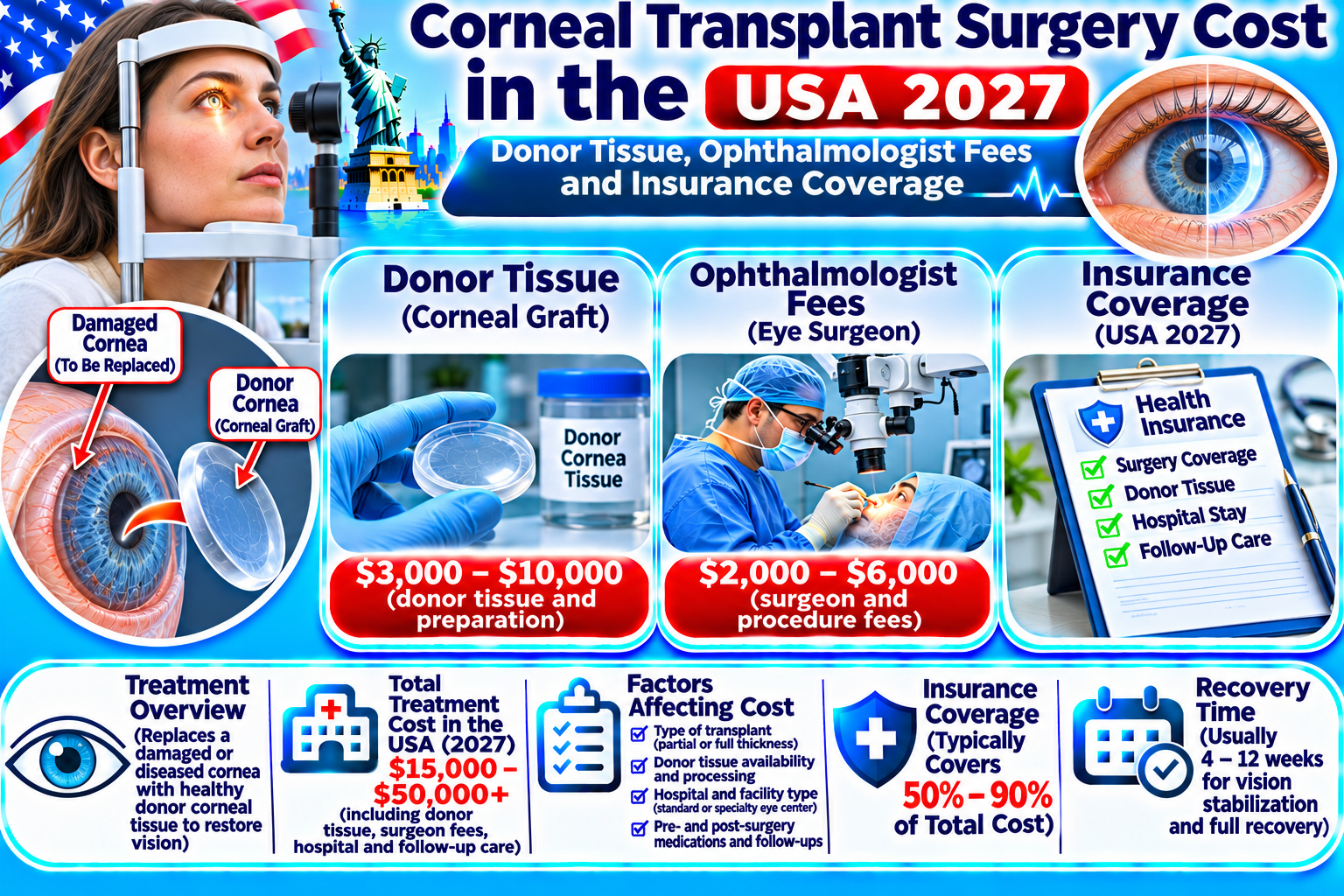
  • Corneal Transplant Surgery Cost in the USA 2027 Donor Tissue, Ophthalmologist Fees and Insurance Coverage

    Corneal Transplant Surgery Cost in the USA 2027 Donor Tissue, Ophthalmologist Fees and Insurance Coverage

    Corneal transplant surgery is an important ophthalmic procedure used to replace damaged or diseased corneal tissue with healthy donor tissue. The cornea is the transparent outer surface of the eye that helps focus light and protect internal eye structures. When the cornea becomes cloudy, scarred, swollen, or structurally weakened, vision may deteriorate significantly.

    Understanding corneal transplant surgery costs in the USA in 2027 is essential for patients comparing donor tissue expenses, ophthalmologist fees, surgical facility charges, anesthesia, and health insurance coverage. Treatment costs vary depending on the type of transplant, eye condition, hospital location, insurance benefits, and postoperative requirements.

    Modern corneal transplantation includes full-thickness and partial-thickness procedures. Some patients require replacement of the entire cornea, while others need only a specific damaged layer.

    This comprehensive guide explains estimated American corneal transplant expenses for 2027, including penetrating keratoplasty, endothelial keratoplasty, donor tissue processing, Medicare coverage, recovery, and long-term follow-up care.

    What Is a Corneal Transplant?

    A corneal transplant, also called keratoplasty, is a surgical procedure that replaces diseased corneal tissue with healthy tissue obtained from a human donor.

    The cornea contains several specialized layers that work together to maintain transparency and proper vision.

    Damage to these layers can cause blurred vision, glare, pain, swelling, and permanent visual impairment.

    Depending on the diagnosis, an ophthalmologist may recommend replacing the full corneal thickness or only the affected layers.

    Corneal transplantation is generally considered when medications, contact lenses, or other treatments cannot adequately manage the condition.

    Common Reasons for Corneal Transplant Surgery

    Fuchs Endothelial Dystrophy

    Fuchs endothelial dystrophy damages the cells responsible for maintaining proper fluid balance in the cornea. Progressive swelling can cause blurred vision and discomfort.

    Selected patients may benefit from endothelial keratoplasty.

    Keratoconus

    Keratoconus causes progressive thinning and irregular curvature of the cornea.

    Many patients can be managed with specialized contact lenses or corneal cross-linking, but advanced disease or significant scarring may require transplantation.

    Corneal Scarring

    Scarring may develop after infections, injuries, or previous eye surgery. Severe scars can interfere with light transmission and reduce vision.

    Corneal Edema

    Persistent corneal swelling may occur when endothelial cells no longer function adequately.

    Endothelial transplantation can restore corneal clarity in appropriately selected cases.

    Previous Transplant Failure

    Some patients require another corneal transplant when an earlier graft fails because of rejection, cell loss, infection, or other complications.

    Symptoms of Corneal Disease

    Corneal disorders can cause different symptoms depending on the affected tissue and severity.

    • Persistent blurred or cloudy vision.
    • Increased sensitivity to light.
    • Glare and halos around lights.
    • Eye pain or irritation.
    • Reduced visual clarity despite corrective lenses.
    • Corneal swelling.
    • Visible cloudiness or scarring.
    • Progressive difficulty performing daily activities.

    Sudden vision loss, severe eye pain, or significant redness requires urgent ophthalmic evaluation.

    How Is Corneal Disease Diagnosed?

    An ophthalmologist evaluates the cornea using specialized examinations to determine the cause of visual impairment.

    Common diagnostic procedures include:

    • Comprehensive dilated eye examination.
    • Slit-lamp examination.
    • Corneal topography or tomography.
    • Pachymetry to measure corneal thickness.
    • Specular microscopy to assess endothelial cells.
    • Visual acuity and refraction testing.
    • Additional imaging when clinically necessary.

    Not every patient requires every test. The examination findings help determine whether transplantation is appropriate.

    Types of Corneal Transplant Surgery

    Penetrating Keratoplasty (PK)

    Penetrating keratoplasty is a full-thickness corneal transplant. The surgeon removes a circular section of the damaged cornea and replaces it with donor tissue.

    Fine sutures are commonly used to secure the graft.

    PK may be recommended for advanced corneal scarring, extensive tissue damage, or diseases affecting multiple corneal layers.

    Descemet Stripping Endothelial Keratoplasty (DSEK or DSAEK)

    DSAEK replaces the damaged endothelial layer along with a thin layer of supporting donor tissue.

    It is commonly used for conditions such as Fuchs endothelial dystrophy and certain cases of corneal edema.

    Compared with full-thickness transplantation, endothelial keratoplasty may offer faster visual rehabilitation in appropriately selected patients.

    Descemet Membrane Endothelial Keratoplasty (DMEK)

    DMEK transplants an extremely thin donor tissue layer containing Descemet membrane and endothelial cells.

    The technique can provide excellent visual outcomes for suitable patients but requires specialized surgical expertise and careful postoperative positioning.

    Deep Anterior Lamellar Keratoplasty (DALK)

    DALK replaces the front layers of the cornea while preserving the patient’s healthy endothelium.

    It may be appropriate for certain patients with keratoconus or anterior corneal scarring.

    How Is Corneal Transplant Surgery Performed?

    Corneal transplantation is commonly performed in a hospital outpatient department or ambulatory surgery center.

    The patient receives local or general anesthesia depending on the procedure, medical condition, and surgeon’s recommendations.

    The ophthalmologist removes the affected corneal tissue and places the prepared donor graft.

    Some procedures require sutures, while endothelial grafts are often supported by an air or gas bubble inside the eye.

    Patients usually receive postoperative eye drops and detailed instructions to protect the graft during healing.

    Corneal Transplant Surgery Cost in the USA in 2027

    American corneal transplant costs vary according to transplant technique, donor tissue preparation, surgical facility, ophthalmologist fees, and postoperative treatment.

    Donor tissue is typically obtained and processed through an eye bank. Processing, testing, storage, and distribution contribute to tissue-related expenses.

    The following figures are illustrative 2027 financial planning ranges rather than verified national averages, guaranteed cash prices, or actual insurance reimbursement amounts.

    Estimated USA Cost Breakdown

    Treatment or ServiceEstimated Cost (USD)
    Ophthalmologist Consultation$150–$500+
    Corneal Imaging and Diagnostic Tests$200–$1,200+
    Donor Corneal Tissue and Eye Bank Processing$2,000–$6,000+ as a cost component
    Penetrating Keratoplasty (PK)$12,000–$30,000+
    DSAEK Corneal Transplant$10,000–$25,000+
    DMEK Corneal Transplant$12,000–$28,000+
    DALK Corneal Transplant$12,000–$30,000+
    Ophthalmic Surgeon Fee$1,500–$5,000+ if separately billed
    Anesthesia Professional Fee$500–$2,000+ if separately billed
    Postoperative Eye Medications$50–$400+ per month
    Follow-Up Ophthalmology Visit$100–$400+

    Important: These broad hypothetical ranges are intended only for preliminary budgeting. Transplant episode prices may already include donor tissue, surgeon, facility, and anesthesia charges. Separate items should not be added without confirming what is included.

    USA Corneal Transplant Cost Comparison

    Because this article focuses on the United States, the following table compares American transplant techniques rather than different countries.

    USA Treatment ScenarioIllustrative Overall Budget
    Full-Thickness Corneal Transplant$12,000–$30,000+
    DSAEK Endothelial Transplant$10,000–$25,000+
    DMEK Endothelial Transplant$12,000–$28,000+
    DALK Partial-Thickness Transplant$12,000–$30,000+
    Complex Repeat Transplant$15,000–$40,000+

    These procedures treat different corneal conditions. The most appropriate technique depends on the affected layers, eye health, and surgeon’s clinical assessment.

    Donor Corneal Tissue and Eye Bank Fees

    Donor tissue is an essential component of most corneal transplant procedures. Eye banks collect, evaluate, preserve, prepare, and distribute donated corneal tissue according to medical standards.

    Although the tissue itself is donated, eye banks may charge for services associated with its preparation and delivery.

    These charges may include infectious disease testing, tissue evaluation, preservation, specialized preparation, and transportation.

    Patients should ask whether the surgical quotation includes the eye bank’s tissue processing fee or whether it will appear separately on the bill.

    Ophthalmologist and Corneal Surgeon Fees

    Corneal transplantation is generally performed by an ophthalmologist with specialized training in corneal diseases and surgery.

    Professional fees depend on the procedure, complexity, geographic location, and insurance arrangements.

    Patients may also receive separate bills for diagnostic examinations, anesthesia, postoperative evaluations, or additional procedures.

    Hospital vs Ambulatory Surgery Center Costs

    Corneal transplantation is frequently performed as outpatient surgery. The choice of facility can influence overall expenses.

    Ambulatory surgery centers may have lower facility charges than hospital outpatient departments for comparable procedures.

    For example, Medicare’s 2026 procedure lookup lists an average Medicare-approved amount of approximately $3,855 for one type of penetrating keratoplasty in an ambulatory surgery center and $6,505 in a hospital outpatient department.

    These figures apply to a specific procedure code and do not represent the complete cost of every transplant. Donor tissue and additional services may be billed separately.

    Corneal Transplant Surgery With Health Insurance

    Many comprehensive American health insurance plans cover medically necessary corneal transplantation when applicable clinical requirements are met.

    However, coverage does not necessarily eliminate patient expenses.

    Important insurance considerations include:

    • Annual deductible and out-of-pocket maximum.
    • Ophthalmologist and surgical facility network participation.
    • Prior authorization for planned transplantation.
    • Coverage for donor tissue processing.
    • Anesthesia and surgical facility benefits.
    • Prescription eye drop coverage.
    • Postoperative examination benefits.
    • Coverage for additional procedures if complications occur.

    Patients should request a personalized insurance estimate before scheduled surgery.

    Medicare Coverage for Corneal Transplant Surgery

    Original Medicare may cover medically necessary corneal transplantation under Medicare Part B when applicable requirements are satisfied.

    After the Part B deductible is met, patients generally pay 20 percent of the Medicare-approved amount for covered Part B services, unless supplemental coverage changes their responsibility.

    Medicare’s 2026 price lookup provides examples of approximately $770 in patient cost-sharing at an ambulatory surgery center and $1,300 at a hospital outpatient department for a specified penetrating keratoplasty procedure.

    Actual expenses may differ because of additional services, donor tissue charges, individual circumstances, and supplemental insurance.

    Medicare Advantage plans may have different provider networks, authorization requirements, and cost-sharing arrangements.

    Medicaid and Financial Assistance

    Medicaid may cover medically necessary corneal transplantation for eligible individuals, depending on state-specific benefits and requirements.

    Some nonprofit hospitals offer financial assistance programs. Patients can ask hospital financial counselors about eligibility, payment arrangements, and available support.

    Corneal Transplant Surgery Without Insurance

    Uninsured patients may face substantial expenses for donor tissue, surgery, anesthesia, and follow-up care.

    Before accepting a planned surgical quotation, patients should ask:

    • Is donor tissue processing included?
    • Are surgeon and anesthesia fees included?
    • Does the estimate cover the surgical facility?
    • Will diagnostic imaging be billed separately?
    • Are postoperative eye drops included?
    • How many follow-up visits are expected?
    • What happens if another procedure becomes necessary?

    Obtaining a complete written estimate can help patients understand potential financial responsibilities.

    Factors Influencing Corneal Transplant Prices

    1. Type of Transplant

    Full-thickness and partial-thickness procedures require different surgical techniques, equipment, and donor tissue preparation.

    2. Donor Tissue Processing

    Eye bank testing, preservation, preparation, and transportation contribute to transplant-related expenses.

    3. Hospital and Facility Charges

    Operating room resources, anesthesia, surgical supplies, and recovery monitoring influence the final bill.

    4. Insurance Coverage

    Deductibles, coinsurance, negotiated rates, and provider network participation affect personal financial responsibility.

    5. Geographic Location

    Healthcare prices vary across American cities and states because of regional operating costs and insurance contracts.

    6. Medication Requirements

    Postoperative steroid eye drops, antibiotics, and other prescribed medications may create ongoing expenses.

    7. Complications and Repeat Procedures

    Graft rejection, infection, or additional surgical treatment may increase long-term healthcare spending.

    Recovery After Corneal Transplant Surgery

    Recovery depends on the transplant technique, underlying eye condition, and individual healing response.

    Patients undergoing endothelial keratoplasty may experience visual improvement sooner than those recovering from full-thickness transplantation.

    Penetrating keratoplasty can require a prolonged healing period, sometimes lasting many months or longer.

    Patients should follow instructions regarding eye protection, prescribed drops, activity restrictions, and postoperative appointments.

    Possible Complications and Additional Costs

    Corneal transplantation carries potential risks, including graft rejection, infection, increased eye pressure, and persistent visual problems.

    Some endothelial grafts require an additional procedure to reposition or reattach donor tissue.

    Unexpected complications may require additional medications, imaging, specialist appointments, or repeat surgery.

    Patients should seek prompt medical evaluation if they experience increasing redness, pain, light sensitivity, or declining vision after transplantation.

    Long-Term Follow-Up Expenses

    Corneal transplant recipients require regular ophthalmology appointments to monitor graft health, vision, and eye pressure.

    Some patients need prolonged steroid eye drop treatment to reduce rejection risk.

    Additional glasses or specialized contact lenses may be necessary to optimize vision after healing.

    How to Reduce Corneal Transplant Surgery Costs

    • Verify insurance benefits before planned surgery.
    • Request a complete written surgical estimate.
    • Confirm ophthalmologist and facility network participation.
    • Ask whether donor tissue processing is included.
    • Compare appropriate outpatient facility options.
    • Review prescription eye drop coverage.
    • Explore hospital financial assistance programs.
    • Attend follow-up appointments to support graft health.

    Patients should prioritize the medically appropriate transplant technique rather than choosing surgery solely according to price.

    Frequently Asked Questions

    How much does corneal transplant surgery cost in the USA in 2027?

    Illustrative treatment expenses may range from approximately $10,000 to $30,000 or more for common transplant procedures, depending on the technique, facility, and insurance arrangements.

    Does insurance cover corneal transplantation?

    Many comprehensive plans cover medically necessary corneal transplantation, subject to policy requirements and patient cost-sharing.

    Does Medicare cover corneal transplant surgery?

    Medicare Part B may cover qualifying medically necessary corneal transplants, with applicable deductibles and coinsurance.

    Is donor corneal tissue expensive?

    Eye banks may charge for tissue testing, processing, preservation, and transportation. These expenses may be included in or billed separately from the surgical estimate.

    Which corneal transplant has the fastest recovery?

    Endothelial keratoplasty often allows faster visual rehabilitation than full-thickness transplantation in appropriately selected patients.

    Can a corneal transplant fail?

    Yes. Graft failure or rejection can occur, making long-term follow-up and prescribed medications important.

    Conclusion

    Corneal transplant surgery costs in the USA in 2027 depend on donor tissue processing, transplant technique, ophthalmologist fees, surgical facility charges, medications, and insurance coverage.

    Patients should compare complete treatment estimates, verify insurance benefits, and consult an experienced corneal specialist to determine the most appropriate procedure.

    Medical Disclaimer: This article provides general educational and financial planning information only. It does not replace professional medical advice, diagnosis, or treatment. All 2027 prices are illustrative estimates and should be verified directly with healthcare providers, surgical facilities, eye banks, and insurance companies.

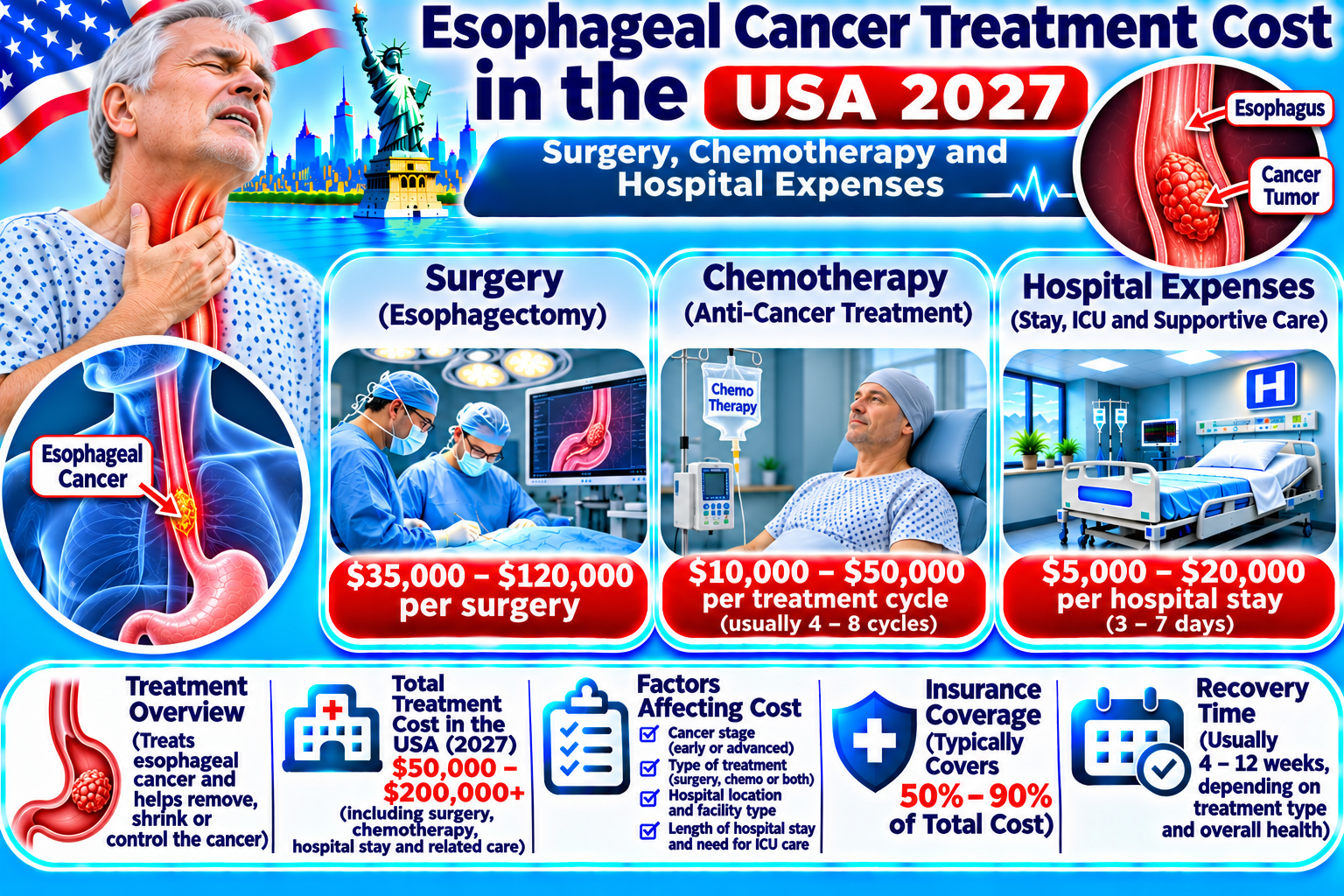
  • Esophageal Cancer Treatment Cost in the USA 2027 Surgery, Chemotherapy and Hospital Expenses

    Esophageal Cancer Treatment Cost in the USA 2027 Surgery, Chemotherapy and Hospital Expenses

    Esophageal cancer is a serious disease that develops when abnormal cells grow uncontrollably in the esophagus, the muscular tube connecting the throat to the stomach. The condition can interfere with swallowing, nutrition, and normal digestive function. Early diagnosis and appropriate treatment are important for improving outcomes and maintaining quality of life.

    Understanding esophageal cancer treatment costs in the USA in 2027 is essential for patients comparing esophagectomy surgery, chemotherapy, radiation therapy, immunotherapy, oncologist fees, and hospital expenses. The total cost depends on cancer stage, treatment selection, hospital location, insurance benefits, and individual medical needs.

    Some early cancers can be treated with endoscopic procedures or surgery, while locally advanced disease often requires a combination of chemotherapy, radiation, and surgery. Patients with metastatic disease may receive systemic medications and supportive care.

    This comprehensive guide explains estimated American esophageal cancer treatment expenses for 2027, including diagnostic examinations, surgical procedures, cancer medications, hospital bills, Medicare coverage, and financial assistance.

    What Is Esophageal Cancer?

    Esophageal cancer begins in cells lining the esophagus. As the disease progresses, cancer may grow into deeper layers of the esophageal wall or spread to nearby lymph nodes and distant organs.

    The two major types are esophageal adenocarcinoma and esophageal squamous cell carcinoma.

    Adenocarcinoma commonly develops in the lower esophagus and is often associated with Barrett’s esophagus. Squamous cell carcinoma can occur throughout the esophagus and has different risk factors.

    Treatment depends on the cancer’s location, stage, histological type, molecular characteristics, and the patient’s overall health.

    Common Symptoms of Esophageal Cancer

    Symptoms may develop gradually, and early-stage disease sometimes causes few noticeable problems.

    • Difficulty swallowing solid foods or liquids.
    • Pain or discomfort while swallowing.
    • Unexplained weight loss.
    • Persistent heartburn or chest discomfort.
    • Regurgitation of food.
    • Chronic cough or hoarseness.
    • Reduced appetite and nutritional difficulties.
    • Unexplained fatigue.

    Persistent swallowing difficulty should receive prompt medical evaluation. Inability to swallow liquids, severe dehydration, or significant bleeding requires urgent care.

    Risk Factors for Esophageal Cancer

    Several factors can increase the likelihood of developing esophageal cancer.

    • Long-standing gastroesophageal reflux disease.
    • Barrett’s esophagus.
    • Tobacco smoking.
    • Heavy alcohol consumption, particularly for squamous cell carcinoma.
    • Obesity, especially in association with adenocarcinoma.
    • Older age.
    • Previous radiation exposure to the chest.
    • Certain uncommon inherited or medical conditions.

    Having a risk factor does not mean cancer will develop. Patients with persistent symptoms should discuss appropriate evaluation with a healthcare professional.

    How Is Esophageal Cancer Diagnosed?

    Diagnosis generally begins with a medical history and examination followed by testing to identify suspicious tissue.

    Common diagnostic procedures include:

    • Upper gastrointestinal endoscopy.
    • Endoscopic biopsy to confirm cancer.
    • Endoscopic ultrasound to assess local tumor involvement.
    • CT scanning of the chest and abdomen.
    • PET/CT imaging when clinically appropriate.
    • Pathology and biomarker testing to guide treatment.

    Additional examinations may be necessary to determine whether cancer has spread. Accurate staging helps the oncology team select an appropriate treatment strategy.

    Esophageal Cancer Treatment Options

    Endoscopic Treatment

    Selected very early cancers may be treated through an endoscope without major surgery.

    Endoscopic mucosal resection or endoscopic submucosal dissection can remove carefully selected superficial lesions.

    These techniques are not appropriate for cancers that have invaded deeply or spread beyond the original site.

    Esophagectomy Surgery

    Esophagectomy involves removing part or most of the esophagus containing cancer. The surgeon commonly reconstructs the digestive passage using the stomach.

    Nearby lymph nodes may also be removed to assess or treat cancer spread.

    Esophagectomy is a major operation requiring specialized surgical expertise and postoperative monitoring.

    Minimally Invasive Esophagectomy

    Minimally invasive techniques use smaller incisions and specialized instruments. Some procedures involve robotic assistance.

    For suitable patients, these approaches may reduce certain postoperative complications or shorten recovery compared with conventional open surgery.

    However, surgical complexity and the need for specialized equipment can influence hospital charges.

    Chemotherapy

    Chemotherapy uses medications to destroy cancer cells or prevent their growth.

    It may be given before surgery, after surgery in selected treatment plans, or as part of treatment for advanced disease.

    Common regimens may include fluoropyrimidine-based medications, platinum drugs, or taxanes, depending on the cancer type and clinical circumstances.

    Radiation Therapy

    Radiation therapy uses high-energy radiation to target cancer cells.

    It is frequently combined with chemotherapy for locally advanced disease and may also help relieve symptoms when surgery is not appropriate.

    Immunotherapy and Targeted Treatment

    Selected patients may receive immunotherapy or targeted medications according to tumor characteristics, treatment history, and current clinical recommendations.

    These treatments can increase overall medical expenses, particularly when continued for several months.

    Esophageal Cancer Treatment Cost in the USA in 2027

    American esophageal cancer treatment expenses vary substantially according to cancer stage, surgical technique, hospital resources, medication selection, and length of treatment.

    Published research using historical US Medicare data has shown that costs differ significantly across treatment phases and combinations of surgery, chemotherapy, and radiation.

    The following figures are illustrative 2027 budgeting estimates rather than verified national averages, guaranteed quotations, or actual insurance payments.

    Estimated USA Cost Breakdown

    Treatment or ServiceEstimated Cost (USD)
    Oncologist Consultation$200–$700+
    Upper Endoscopy With Biopsy$1,500–$5,000+
    Endoscopic Ultrasound$1,500–$5,000+
    CT or PET/CT Imaging$800–$5,000+
    Endoscopic Cancer Resection$5,000–$20,000+
    Open Esophagectomy$60,000–$130,000+
    Minimally Invasive Esophagectomy$65,000–$140,000+
    Chemotherapy Treatment Course$15,000–$50,000+
    Radiation Therapy Course$20,000–$50,000+
    Immunotherapy Administration$8,000–$25,000+ per treatment
    Esophageal Stent Placement$5,000–$20,000+
    Hospital Intensive Care$4,000–$12,000+ per day

    Important: These hypothetical ranges are for preliminary budgeting. Surgery estimates may already include hospital, surgeon, anesthesia, and intensive care charges. Separate items should not be added without confirming what the quotation includes.

    USA Esophageal Cancer Treatment Cost Comparison

    Because this article focuses on the United States, the following table compares American treatment scenarios rather than different countries.

    USA Treatment ScenarioIllustrative Total Budget
    Selected Early Cancer With Endoscopic Treatment$8,000–$30,000+
    Esophagectomy Surgery Episode$60,000–$140,000+
    Combined Chemoradiation$35,000–$100,000+
    Surgery With Additional Cancer Treatment$100,000–$220,000+
    Advanced Cancer With Extended Systemic Therapy$80,000–$250,000+

    These scenarios represent different medical needs. Treatment selection must depend on cancer stage, overall health, and oncology recommendations rather than price alone.

    Esophagectomy Surgery and Hospital Expenses

    Esophagectomy is a complex operation that requires experienced surgeons, anesthesia specialists, nursing staff, and postoperative monitoring.

    The hospital bill may include operating room services, surgical equipment, intensive care, medications, nutrition support, and inpatient accommodation.

    Some patients require feeding tube support during recovery. Complications such as infection, pneumonia, or anastomotic leakage can increase treatment expenses.

    Chemotherapy Costs for Esophageal Cancer

    Chemotherapy expenses depend on the drug regimen, number of cycles, infusion center charges, and supportive medications.

    Patients may also need laboratory testing, imaging, anti-nausea medications, and additional oncology appointments.

    Generic chemotherapy drugs can be less expensive than newer treatments, but the total cost includes more than medication prices.

    Radiation Therapy and Chemoradiation Expenses

    Radiation therapy commonly involves treatment planning, imaging, and multiple outpatient sessions.

    Combining chemotherapy with radiation increases the number of services required and can raise overall costs.

    For selected patients, chemoradiation may be used before surgery or as definitive treatment when surgery is unsuitable.

    Esophageal Cancer Treatment With Health Insurance

    Many comprehensive American health insurance plans cover medically necessary esophageal cancer treatment, including surgery, chemotherapy, radiation, and eligible prescription medications.

    However, insurance approval does not necessarily eliminate patient expenses.

    Important coverage considerations include:

    • Annual deductible and out-of-pocket maximum.
    • Hospital and oncology specialist network participation.
    • Prior authorization for planned treatments.
    • Coverage for surgery and intensive care.
    • Chemotherapy and immunotherapy benefits.
    • Radiation therapy coverage.
    • Diagnostic imaging and pathology benefits.
    • Nutrition support and follow-up care.

    Patients should request personalized insurance estimates whenever treatment planning allows.

    Medicare Coverage for Esophageal Cancer

    Original Medicare generally covers medically necessary cancer treatment when applicable requirements are satisfied.

    Medicare Part A commonly applies to qualifying inpatient hospital admissions. Part B generally covers eligible outpatient physician services, radiation therapy, and certain administered cancer medications.

    Some oral cancer medications may be covered through Medicare Part D prescription drug benefits.

    Medicare Advantage plans may have different provider networks, authorization requirements, and cost-sharing arrangements.

    Medicaid and Financial Assistance

    Medicaid may cover medically necessary cancer treatment for eligible individuals, depending on state-specific benefits.

    Some nonprofit hospitals offer financial assistance programs. Oncology social workers may help patients explore transportation support, prescription assistance, and payment arrangements.

    Esophageal Cancer Treatment Without Insurance

    Uninsured patients may face substantial expenses for diagnostic examinations, surgery, medications, radiation, and hospital care.

    Before accepting a planned treatment quotation, patients should ask:

    • Are surgeon and anesthesia fees included?
    • Does the estimate include hospital accommodation?
    • Will intensive care be billed separately?
    • Are chemotherapy medications included?
    • How many radiation sessions are covered?
    • What follow-up expenses should be expected?

    Factors Influencing Esophageal Cancer Treatment Prices

    1. Cancer Stage

    Early-stage cancer may require limited endoscopic treatment, while advanced disease often involves multiple therapies and longer medical care.

    2. Surgical Technique

    Open, minimally invasive, and robotic-assisted operations require different equipment and hospital resources.

    3. Hospital and ICU Charges

    Operating room services, intensive monitoring, nursing care, and hospitalization length influence the final bill.

    4. Insurance Coverage

    Deductibles, coinsurance, negotiated rates, and provider networks affect personal financial responsibility.

    5. Medication Selection

    Chemotherapy, immunotherapy, and targeted medications have different prices and treatment schedules.

    6. Geographic Location

    Healthcare prices vary across American cities and states because of regional operating expenses and insurance contracts.

    7. Complications and Additional Care

    Infections, swallowing difficulties, nutritional problems, and repeat procedures may increase treatment costs.

    Recovery After Esophageal Cancer Surgery

    Recovery after esophagectomy can take several weeks or longer, depending on the surgical approach and overall health.

    Patients may need to eat smaller meals and follow individualized nutrition instructions.

    Temporary fatigue, swallowing changes, reflux symptoms, and weight loss may occur during recovery.

    Regular follow-up appointments help the medical team monitor healing and nutritional status.

    Possible Treatment Complications

    Esophageal cancer surgery carries potential risks, including bleeding, infection, pneumonia, blood clots, and leakage where the digestive tract is reconnected.

    Chemotherapy may cause nausea, fatigue, low blood counts, and increased infection risk.

    Radiation can cause swallowing discomfort, fatigue, and inflammation of nearby tissues.

    Patients should discuss expected side effects and warning signs with their oncology team.

    Long-Term Follow-Up Expenses

    After treatment, patients may require oncology appointments, imaging, nutritional assessment, and management of persistent symptoms.

    Follow-up schedules depend on cancer stage, treatment history, and individual medical needs.

    Some patients require additional therapy if cancer recurs or progresses.

    How to Reduce Esophageal Cancer Treatment Costs

    • Verify insurance benefits before planned procedures.
    • Request complete written hospital estimates.
    • Confirm oncology specialist network participation.
    • Ask whether anesthesia and intensive care are included.
    • Review chemotherapy and radiation coverage.
    • Explore hospital financial assistance programs.
    • Discuss appropriate treatment options with an oncology team.

    The lowest advertised price is not necessarily the best medical option. Treatment quality, specialist experience, and clinical suitability remain essential.

    Frequently Asked Questions

    How much does esophageal cancer treatment cost in the USA in 2027?

    Illustrative expenses may range from several thousand dollars for selected early endoscopic procedures to more than $100,000 for major surgery and combined cancer treatment.

    Does insurance cover esophageal cancer surgery?

    Many comprehensive health plans cover medically necessary esophagectomy, subject to policy requirements and patient cost-sharing.

    Is chemotherapy always necessary?

    No. Chemotherapy recommendations depend on cancer stage, tumor characteristics, and the overall treatment plan.

    Does Medicare cover esophageal cancer treatment?

    Medicare generally covers qualifying medically necessary cancer treatment under applicable inpatient, outpatient, and prescription drug benefits.

    Is minimally invasive esophagectomy cheaper?

    Not necessarily. Specialized equipment can increase procedural expenses, although shorter hospitalization may offset some costs in selected cases.

    Can esophageal cancer return after treatment?

    Yes. Recurrence is possible, making appropriate follow-up care important.

    Conclusion

    Esophageal cancer treatment costs in the USA in 2027 depend on esophagectomy surgery, chemotherapy, radiation therapy, hospital expenses, specialist fees, and insurance coverage.

    Patients should compare complete treatment estimates, verify insurance benefits, and consult an experienced multidisciplinary oncology team to develop an appropriate treatment plan.

    Medical Disclaimer: This article provides general educational and financial planning information only. It does not replace professional medical advice, diagnosis, or treatment. All 2027 prices are illustrative estimates and should be verified directly with healthcare providers, hospitals, pharmacies, and insurance companies.